


News
Accelerated Global Layout of Hygiene Materials Exports, Southeast Asia’s Production Capacity to Account for 15% in 2026
2026-04-17
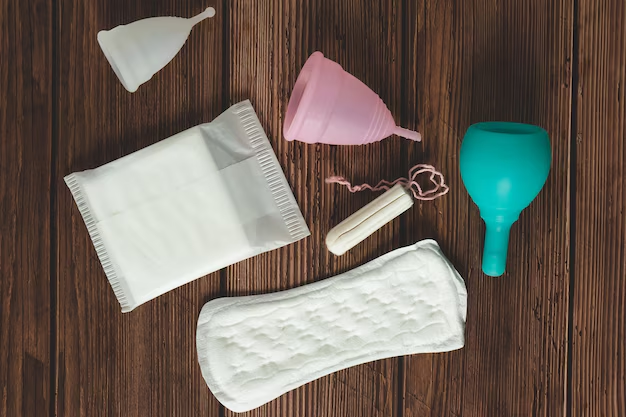
In recent years, Chinese hygiene materials enterprises have accelerated their global layout, with the "China R&D + Southeast Asia Manufacturing" model becoming the mainstream. According to industry statistics, the production capacity of Chinese hygiene materials enterprises in Southeast Asia is expected to account for 15% of the global production capacity in 2026. This layout is mainly to get close to the European and American markets, reduce trade barriers, and enhance the competitiveness of products in the international market.
At the same time, some enterprises have also begun to layout in Eastern Europe and Mexico to further expand their global market share.
Southeast Asia has become the preferred region for Chinese hygiene materials enterprises to invest and build factories, mainly due to its advantages such as low labor costs, preferential policies, and convenient geographical location. Vietnam, Thailand, and Indonesia are the main investment destinations for Chinese enterprises. These countries have a large population base, abundant labor resources, and a relatively complete industrial supporting system, which can meet the production needs of hygiene materials enterprises. In addition, Southeast Asia has signed free trade agreements with many countries and regions, which helps reduce trade costs and improve the market access of products.
The "China R&D + Southeast Asia Manufacturing" model not only reduces the production costs of enterprises but also helps enterprises avoid trade barriers in the European and American markets. In recent years, some European and American countries have set up technical trade barriers to hygiene materials products, which has brought certain impacts on Chinese exports. By building factories in Southeast Asia, enterprises can produce products locally and export them directly to the European and American markets, effectively avoiding trade barriers and improving the competitiveness of products. At the same time, Chinese enterprises have maintained strong R&D capabilities in China, continuously launching new products and technologies to support the development of overseas production bases.
In addition to Southeast Asia, some leading hygiene materials enterprises have also begun to layout in Eastern Europe and Mexico. Eastern Europe is close to the European market, with convenient logistics and transportation, which helps enterprises quickly respond to the market demand in Europe. Mexico is close to the US market, which can avoid the trade barriers between China and the US and improve the market share of products in the US. Industry experts said that the accelerated global layout of Chinese hygiene materials enterprises is an inevitable trend of the industry’s development, which will help enterprises integrate into the global industrial chain and supply chain and enhance their international competitiveness. In the future, with the continuous improvement of enterprise strength and the deepening of global layout, Chinese hygiene materials products will occupy a more important position in the international market.